 Independent guide · Not affiliated with LoongBuy
Unofficial guide
Independent guide · Not affiliated with LoongBuy
Unofficial guide
 4 QC PHOTOS
LoongBuy Boots Spreadsheet
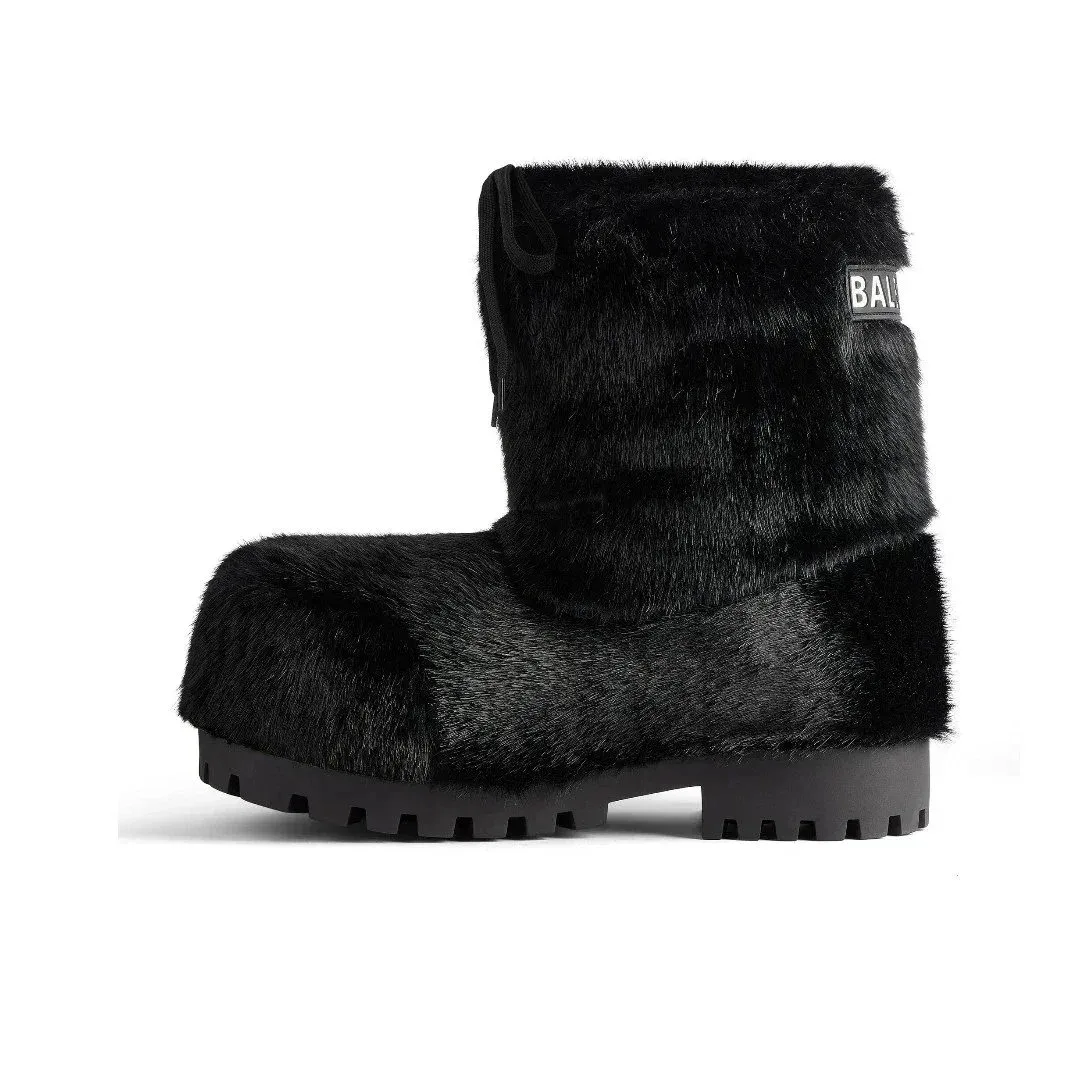
Compare winter boots and snow-boot styles by shaft height, upper shape, lining, sole profile, sizing evidence and available QC photos before checking current listings.
Browse BootsCurated product selection
Prices are estimates. Confirm current details on the destination product page before making a decision.




Category research guide
How to compare this collection.
Boots need more fit information than a front product image can provide. Start with intended use and shaft height, then compare foot length, opening, upper construction, lining and outsole. A winter look does not by itself prove warmth, waterproofing or grip, so keep performance claims separate from visible evidence.
18 current finds1 with a QC signalOct 9 data snapshot
Upper and shaft
Compare shaft height, opening, seam layout and how the upper meets the sole. For taller boots, calf-opening measurements may matter as much as foot length.
Lining and closure
Check whether the boot uses a zip, laces, pull tabs or a simple slip-on opening. Images can show visible lining but cannot confirm insulation performance.
Sole profile
Review outsole pattern, edge bonding, heel height and left-right consistency. A deep pattern may look winter-ready, but photos cannot prove slip resistance.
QC photo checklist
Inspect the evidence in a fixed order.
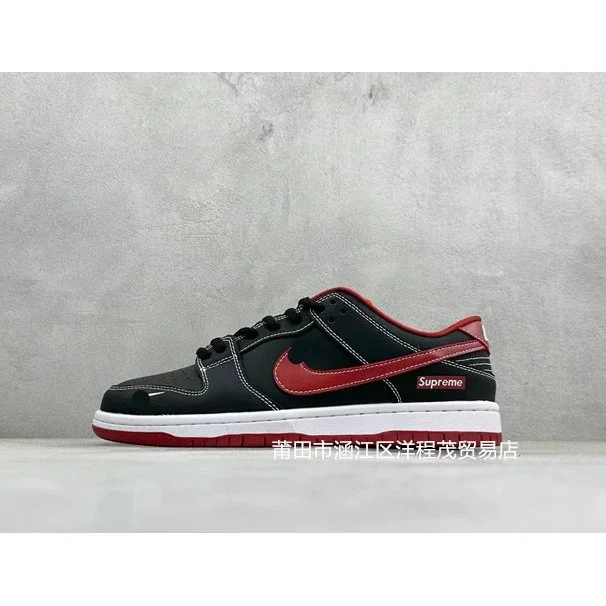
- Make sure both boots appear together in straight front, back and side views.
- Compare shaft height, opening, toe shape and heel alignment across the pair.
- Inspect the upper-to-sole join for visible gaps, excess adhesive or irregular edges.
- Check zippers, eyelets, laces, pull tabs and seam endings where applicable.
- Confirm the size label and request an insole or internal-length measurement when possible.
Fit and practical checks
Measurements before labels.
- Use foot length and, when available, internal or insole length instead of relying only on the printed size.
- Leave suitable room for the socks you expect to wear, especially in winter styles.
- For tall or structured boots, verify shaft height and opening or calf circumference.
- Images cannot confirm waterproofing, insulation value, comfort, traction or performance on snow and ice.
Category-specific answers
Boots spreadsheet FAQ.
Use these answers to interpret the page without treating a catalogue signal as a product guarantee.
How should I size winter boots from a LoongBuy spreadsheet?+
Compare your foot length and a well-fitting insole with the listing’s internal measurement. Allow for winter socks, and confirm the sizing system rather than assuming the printed number matches another brand.
Can QC photos prove that snow boots are waterproof?+
No. Photos can show seams, closures and visible construction, but they cannot prove waterproof membranes, sealed seams or real-world performance.
What should I compare between the left and right boot?+
Check toe shape, shaft height, opening, heel alignment, seam placement, sole edges and closure position. Straight paired photos make asymmetry easier to see.
Does a deep outsole mean the boots will not slip?+
No. Tread depth and pattern are visible design features, but photos cannot establish rubber compound, grip or safety on wet, snowy or icy surfaces.
Which extra boot photos are most useful?+
Ask for a paired front view, both outer sides, both heels, outsole, size label, interior or insole measurement, and close images of the upper-to-sole join.
Continue comparing
Related LoongBuy spreadsheet categories


Independent research, current verification.
This category page organises a fixed catalogue snapshot for comparison. Inclusion does not confirm authenticity, seller reliability, stock, performance or suitability.
Indicative prices, options and availability can change. Open the external catalogue only after shortlisting, then verify the live listing, measurements, evidence and total cost.
Build a complete winter shortlist