 Independent guide · Not affiliated with LoongBuy
Unofficial guide
Independent guide · Not affiliated with LoongBuy
Unofficial guide
Useful evidence beats an unsupported “best seller” label
The current catalogue does not provide verified sales-volume data, so this guide does not invent a popularity ranking. It treats a strong winter candidate as one that fits a clear role, has usable images and measurements to verify, and gives you enough information to decide whether opening the live listing is worthwhile.
Photos can show coverage, shape, closures and visible construction. They cannot prove insulation value, fill power, waterproofing, fibre content, grip or comfort in a specific climate.
Build the shortlist around layers
Start with the climate and activities you expect, then assign each product a role. A practical shortlist usually needs outer protection, a mid layer, suitable footwear and one or two accessories. This prevents several attractive pieces from competing for the same job while a functional gap remains.
Parka, puffer or coat chosen for coverage, layering room and closure design.
Hoodie, sweatshirt or knit selected for fit under the chosen outerwear.
Boot selected by internal length, socks, shaft shape and visible sole construction.
Scarf or headwear used to adjust coverage without replacing the main layer system.
Define the conditions before choosing the product
Temperature alone is not enough. Wind, precipitation, activity level, time outdoors and access to heated spaces change what the system needs to do. Use the matrix to write requirements, not to claim that a photo proves performance.
| Use case | Prioritise in the shortlist | Evidence still required |
|---|---|---|
| Short urban commute | Easy closure, useful pockets, comfortable layering and practical length | Measurements, closure details and current material claims |
| Long outdoor exposure | Coverage, hood and cuff design, room for layers and suitable footwear | Verified insulation and weather-performance information |
| Wet winter | Outer construction, coverage, protected openings and drying practicality | Do not infer waterproofing from appearance; verify the stated specification |
| High activity | Mobility, adjustable ventilation, lighter layers and secure footwear fit | Photos cannot establish breathability or grip |
Choose coverage before decorative detail
Compare short puffers, long parkas and structured coats separately. Check chest, shoulder, sleeve and back length against outerwear you already use. Review baffle spacing, visible loft, zipper and snap placement, hood construction, cuffs, hem adjustment and pocket access.
A full-looking puffer is not proof of insulation performance. If fill composition, warmth rating or water resistance matters, require current listing information and supporting evidence rather than inferring it from volume.
Compare the down-jacket spreadsheetFit, pair consistency and the sole join
Confirm the sizing system, foot or internal length and the socks you plan to wear. For taller boots, add shaft height and opening or calf circumference. In photos, compare both boots together, then inspect toe shape, heel alignment, closures and the upper-to-sole edge.
A deep outsole pattern may look suitable for winter, but it does not prove grip on snow or ice. Visible lining does not establish insulation value, and a closed-looking seam does not establish waterproofing.
Browse the winter and snow-boot spreadsheetMake sure the mid layer fits the outer layer
Compare chest width, body length, shoulder construction and sleeve volume with the jacket or coat above it. A bulky hood may crowd a fitted outer collar, while a long hoodie can extend below a cropped puffer. Use measurements for the complete system rather than choosing each piece in isolation.
Use accessories to close coverage gaps
Scarves and headwear can add adjustable coverage without changing the main layer. Check dimensions, edge finishing, knit consistency, labels and the way the item is shown at scale. Photos may suggest texture but cannot reliably prove fibre composition, softness, warmth or colour accuracy under different lighting.
Winter categories to compare now
These examples provide one visual starting point from each winter-relevant category in the saved catalogue. QC-backed records are used when the category contains one, but inclusion here is not a product or seller guarantee.


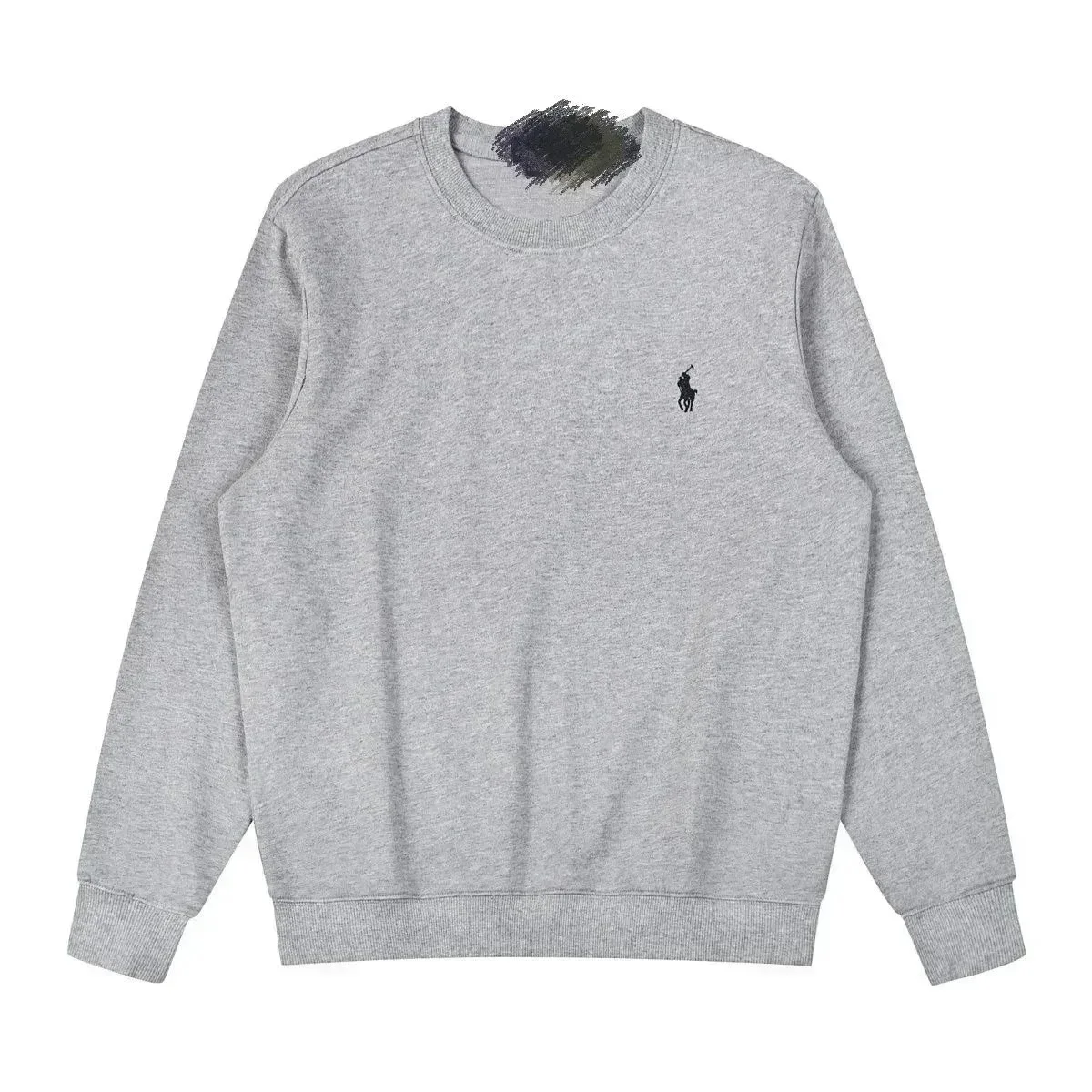


Keep one candidate for each job
- Define the climate and useDaily commuting, dry cold and wet weather place different demands on the shortlist.
- Choose the outer layer firstIts measurements determine how much room remains for hoodies or knitwear.
- Confirm footwear with socksUse internal length and shaft measurements where relevant.
- Add only useful accessoriesChoose coverage and dimensions before pattern or branding.
- Verify the live totalRecheck current price, options, availability and every additional cost at the destination.
LoongBuy winter spreadsheet FAQ
What are the best winter categories in a LoongBuy spreadsheet?+
A practical starting set includes a down jacket or coat, boots, knitwear or a hoodie, and a scarf or other weather-appropriate accessory. The best mix depends on climate, layering and use.
Does this page list winter best sellers?+
No. The shortlist uses the current catalogue snapshot, visible evidence and category coverage. It does not claim access to verified sales-volume data.
Can product photos prove that a winter item is warm?+
No. Photos can show coverage, construction and visible lining, but they cannot prove insulation value, fill power, fibre composition or comfort at a given temperature.
How should I size winter layers?+
Measure garments that already fit in the same role and include the layers you expect to wear. Chest, shoulder, sleeve and back length matter more than the label alone.
What should I check on winter boots?+
Verify foot length, internal or insole measurement, shaft and opening when relevant, pair symmetry, closure, lining visibility and the upper-to-sole join. Photos cannot prove waterproofing or grip.
Are the winter prices final?+
No. Displayed values are indicative estimates from the saved snapshot. Confirm the current item price and all additional costs on the destination page.